What Horses Taught Me About the Nervous System (And Why It Matters for You)
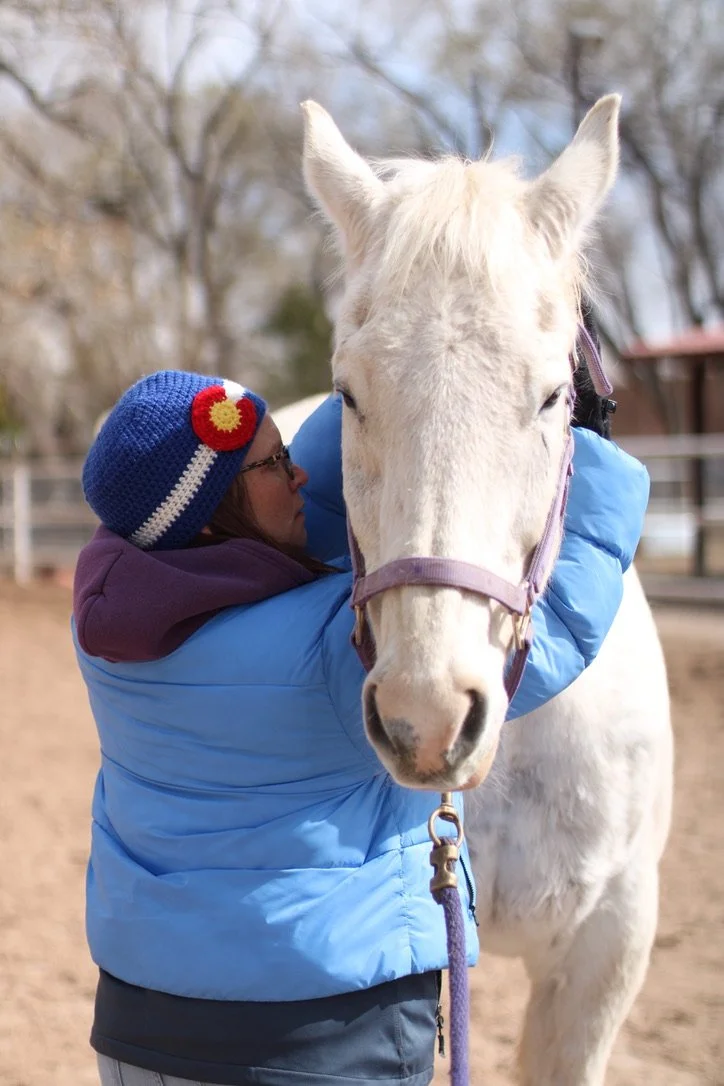
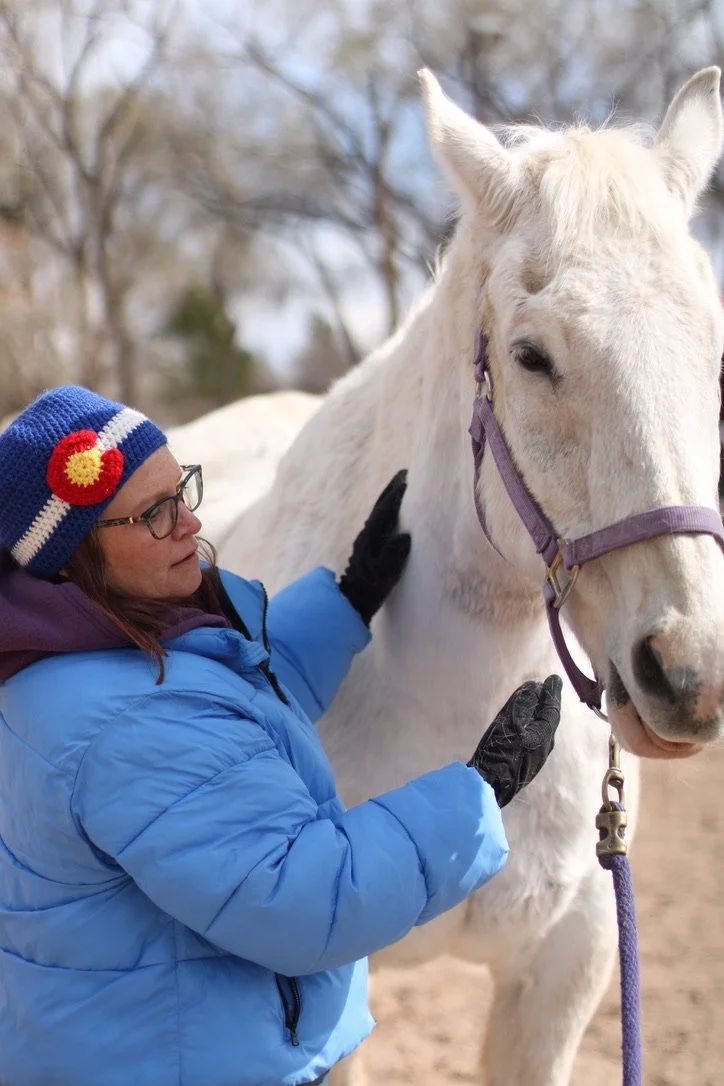
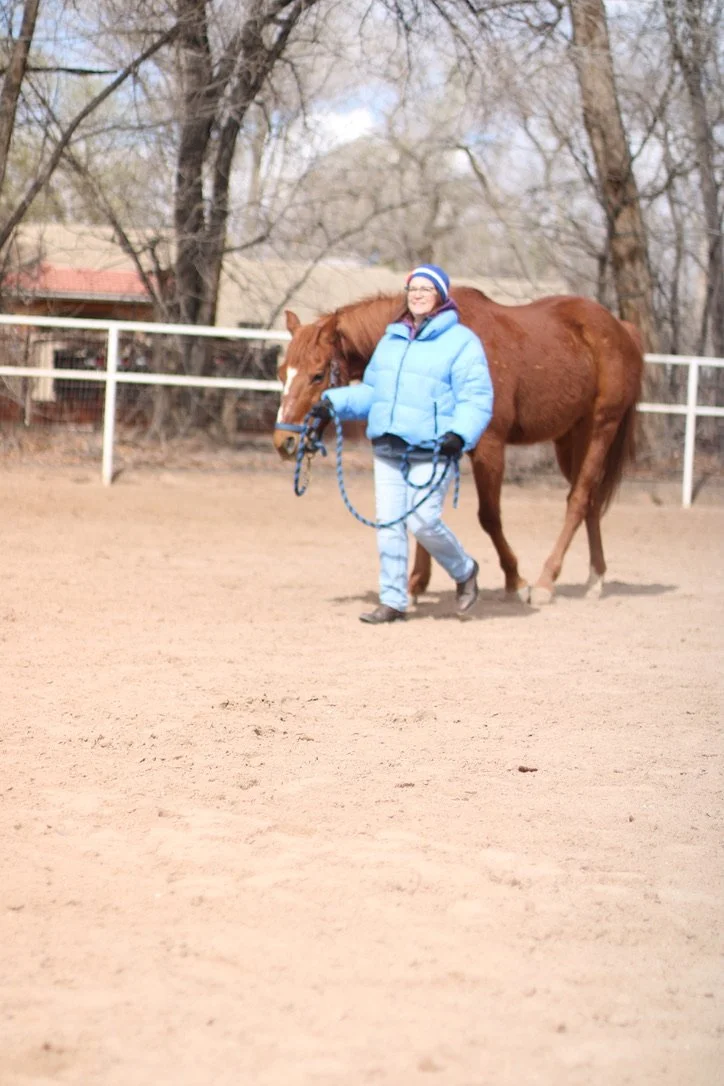
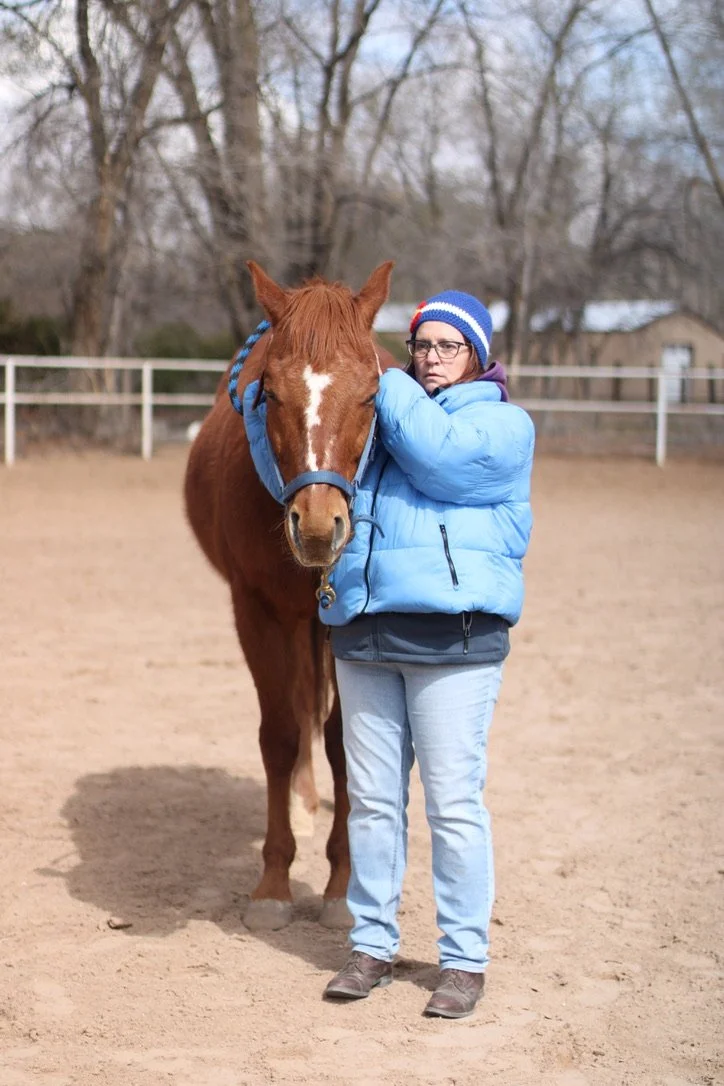
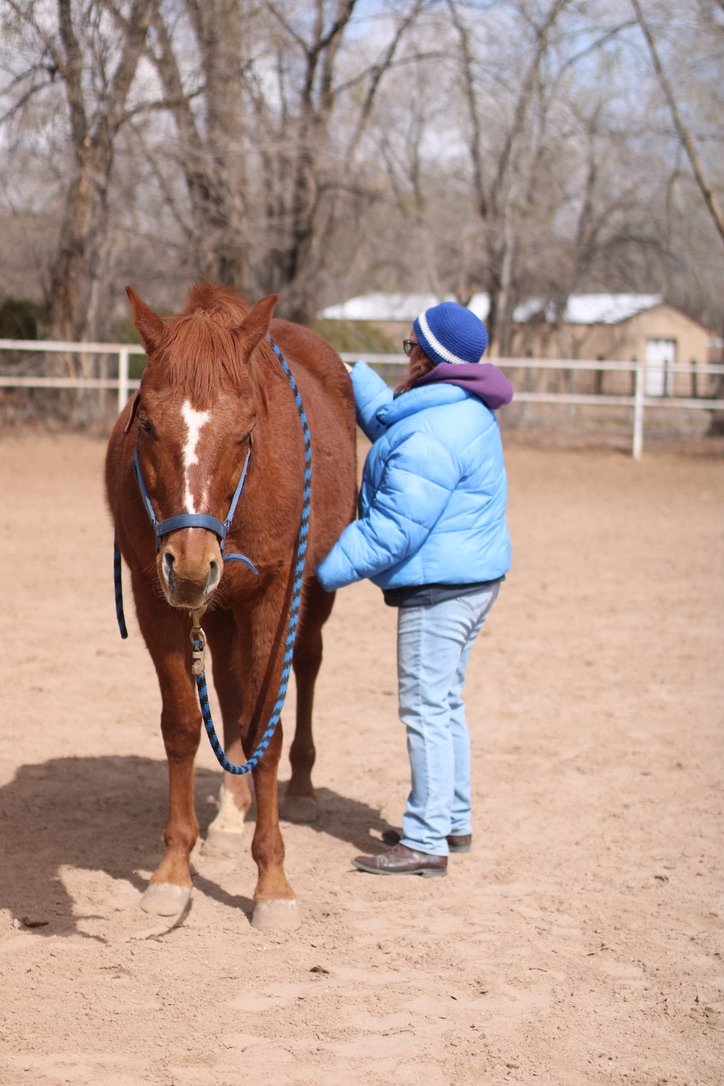
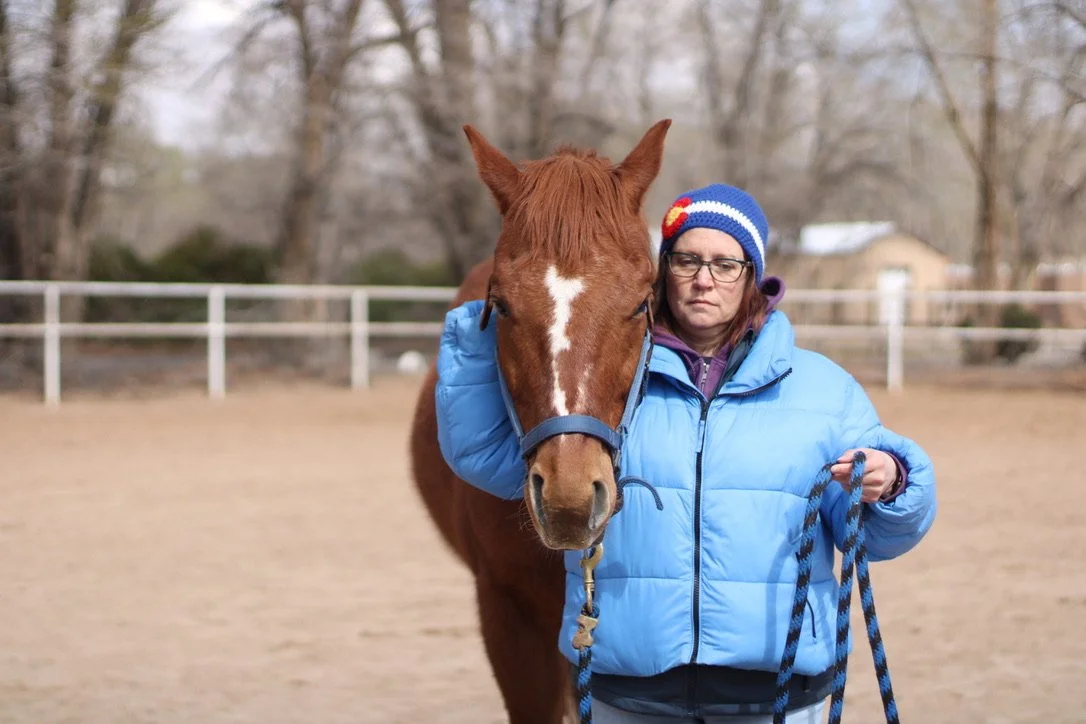
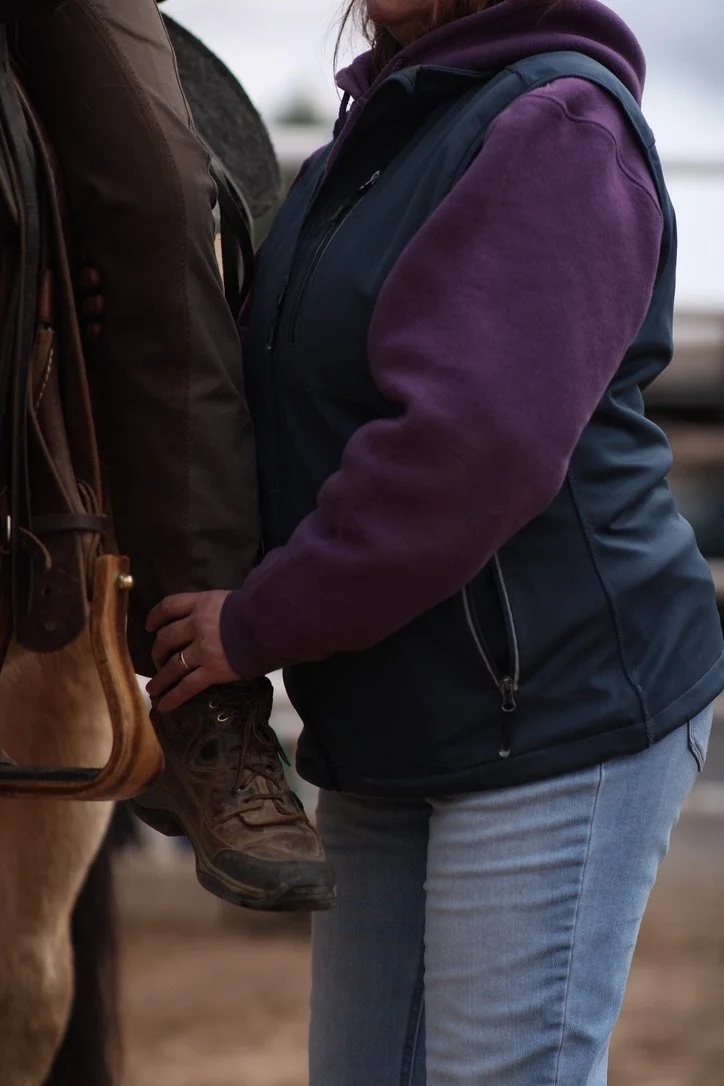
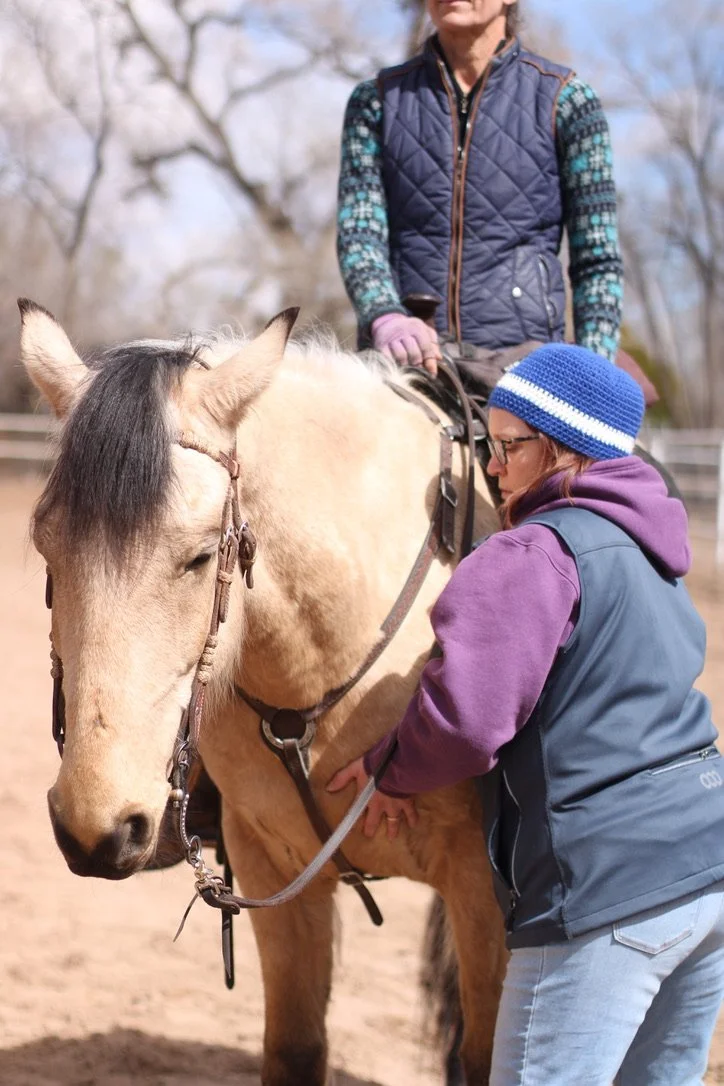
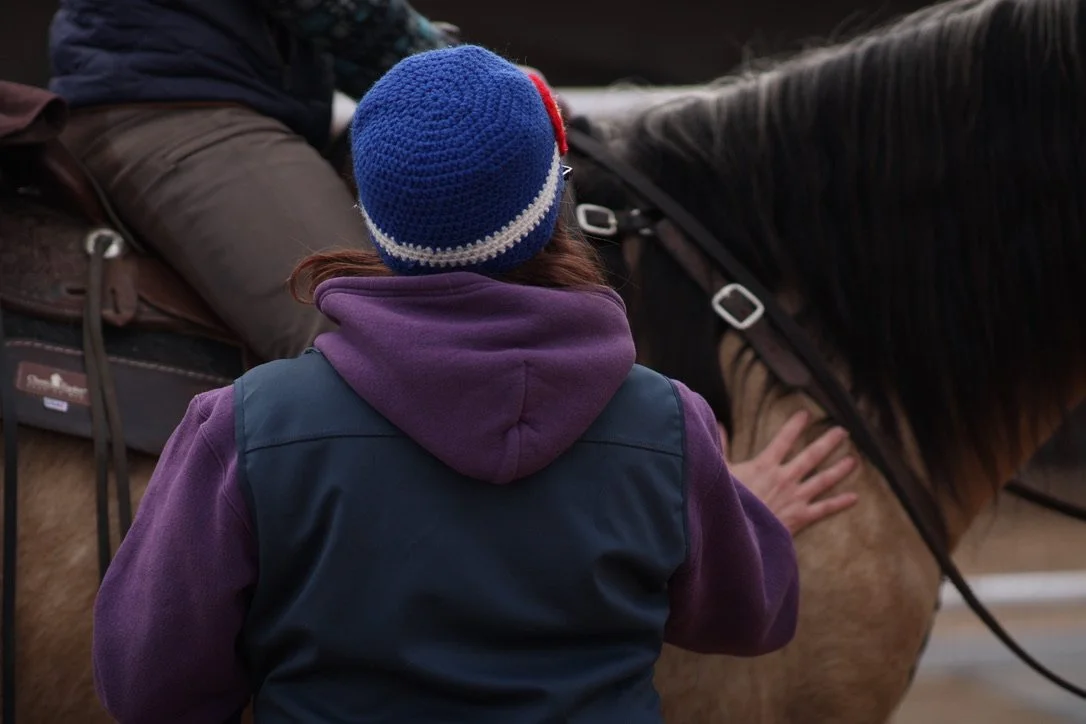
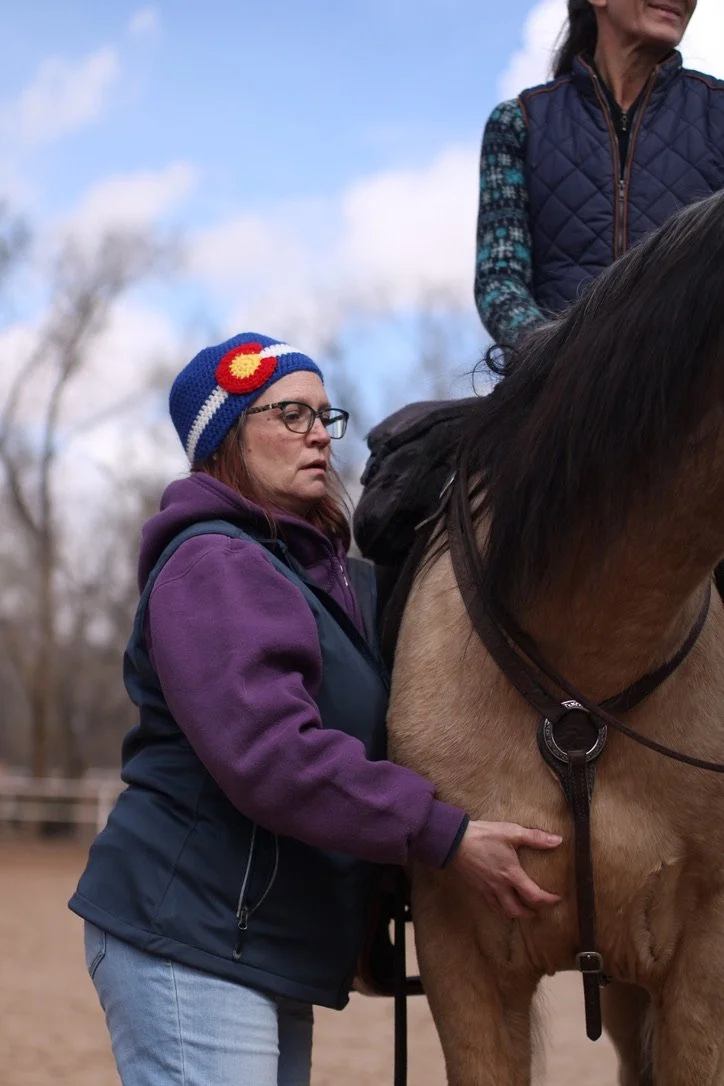
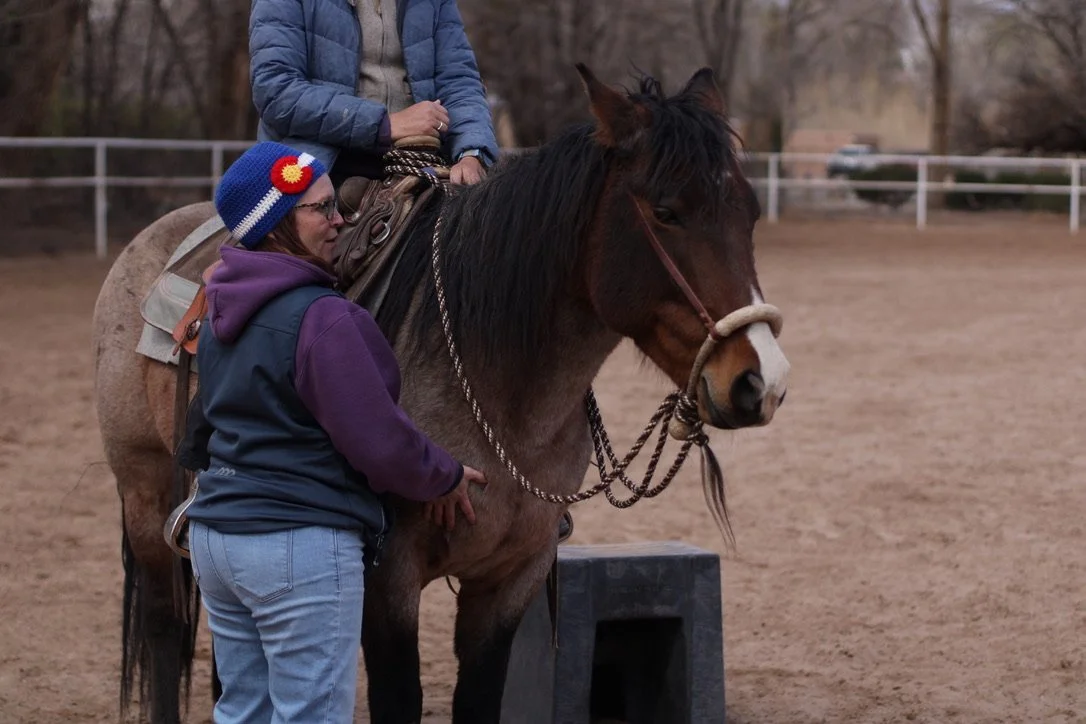
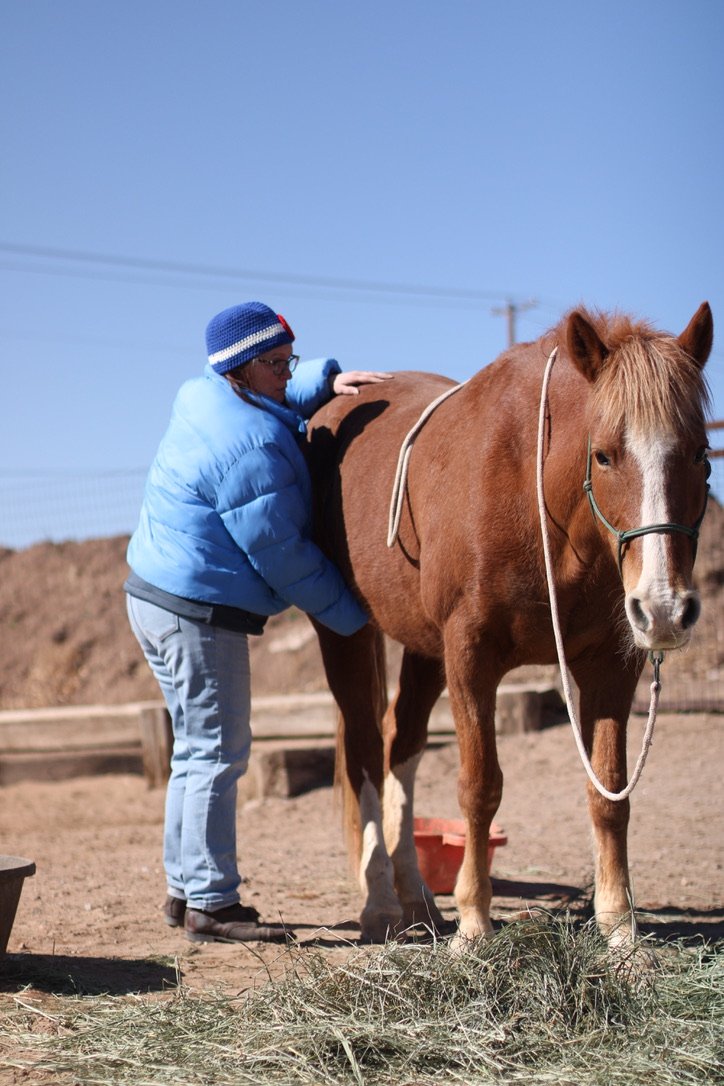
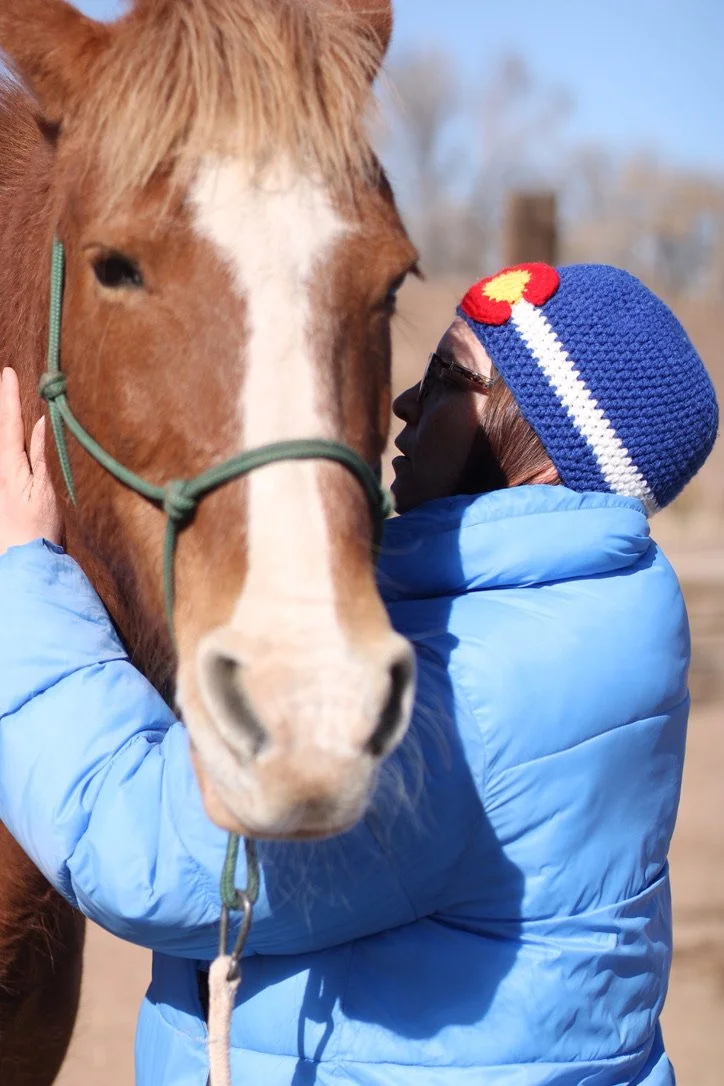
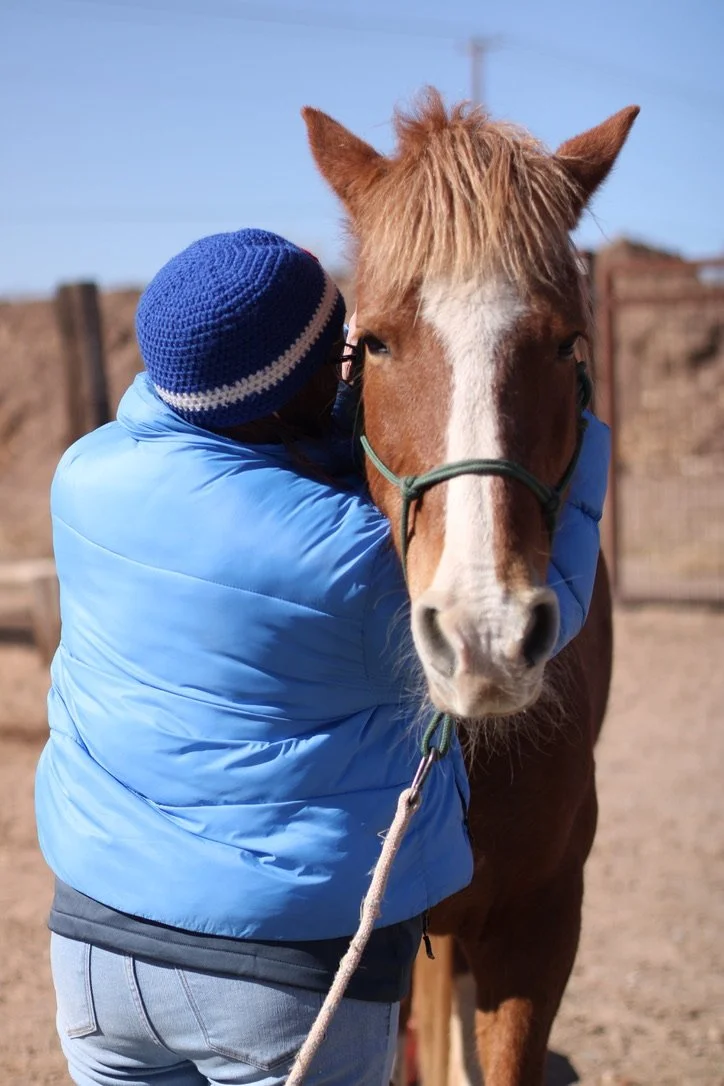
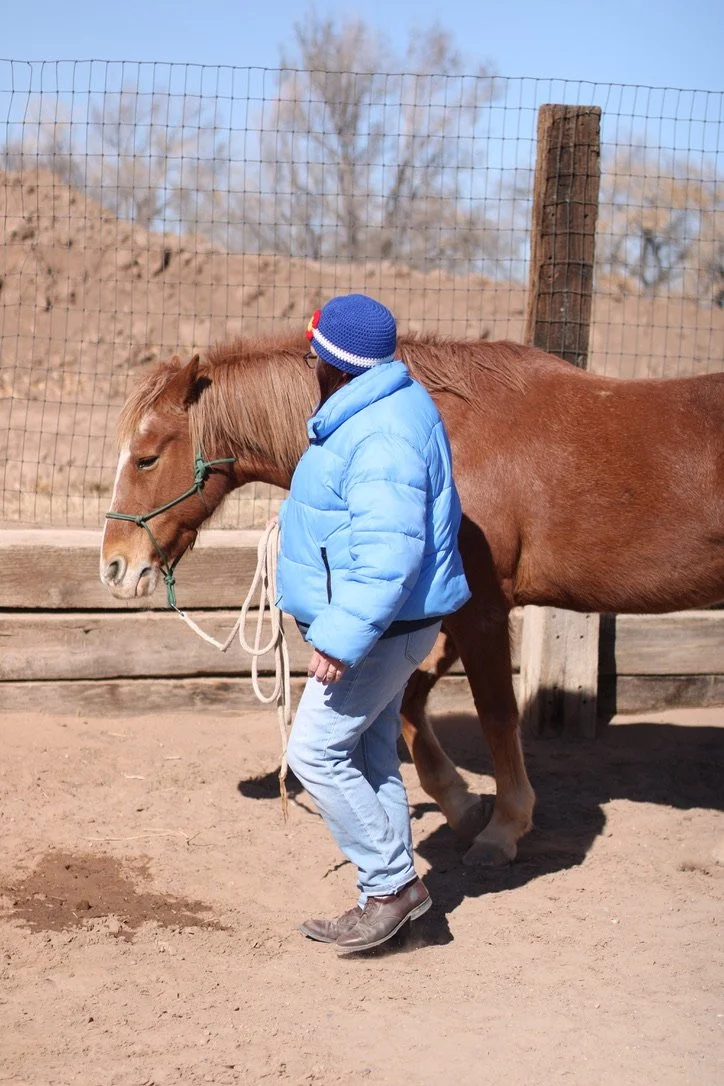
Here's a throwback to one of the most memorable parts of my post-grad Alexander Technique training — a workshop in Albuquerque, NM where we worked with horses and their riders.
A huge part of our practitioner training is learning how to work with nervous systems.
So many tension patterns that get stuck in the body are rooted in old trauma — the body's way of protecting itself long after the original threat has passed.
As Alexander Technique practitioners, we co-regulate with our clients. That means, unlike a lot of bodywork, we don't push or force change. We move at the pace of your nervous system, gently shifting old patterns toward new possibilities.
So why horses?
Because as prey animals, horses have incredibly sensitive nervous systems. They're always scanning their environment, always ready to flee at the first sign of danger. They zoom way out — taking in the whole picture at once — so nothing catches them off guard.
When we trained with the horses, we had to do the same thing.
We had to zoom out, stay aware of everything around us, and — most importantly — take care of our own nervous systems first. Because a horse can feel your tension before you've even taken a step toward them.
When we were regulated, the horse could trust us. And once a horse's nervous system felt safe, their body could finally receive new information — releasing tension patterns that had only ever been there to protect them.
It's exactly the same with people.
Whether the trauma is physical or emotional, the nervous system responds the same way: protection mode. Muscles grip (especially around joints), breathing gets shallow, the diaphragm holds. You know the patterns — fight, flight, freeze, or flop. Horses carry those same patterns.
And just like with humans, the path forward isn't force. It's safety, regulation, and trust.
That training reminded me why I do this work — and how universal the language of the nervous system really is.
There's one more piece that the horses taught me — and it's something I bring into every session I do.
After the nervous system receives new information, it needs time to integrate it.
When we co-regulate with a client (or a horse), the nervous system is taking in something genuinely new — new possibilities, a restoration of how the body was originally designed to function. It's being gently invited to release those old protective patterns so the innate design can come back online.
But receiving new information and integrating it are two different things. After an old pattern softens or unwinds, the nervous system needs a moment to catch up with itself.
So what do we do? We invite our clients to take a walk.
It sounds simple, but it's profound. Movement helps the body weave that new information into the whole system. It can feel a little wobbly at first — old patterns don't give up without a last attempt to reassert themselves — but after just a short time, something shifts. The transformation becomes visible. Clients feel it. Sometimes they can't quite name it, but they know something is different.
I've watched horses do exactly the same thing. A short walk after a session, and you can see the new information settling in.
That's the work.
Not force, not speed — just the right conditions for the nervous system to remember what it already knows.