Why Guided Constructive Rest Helps When Relaxation Isn’t Working
Feeling exhausted, anxious, or stuck in tension patterns that won’t seem to shift—no matter how much you try to relax? You’re not alone.
The last couple of months have been full: holidays, performances, preparation, family gatherings—and the constant hum of worry about our world. For many of us, nervous system regulation isn’t optional right now—it’s essential. But no matter how much you may try, telling yourself to relax just doesn’t work.
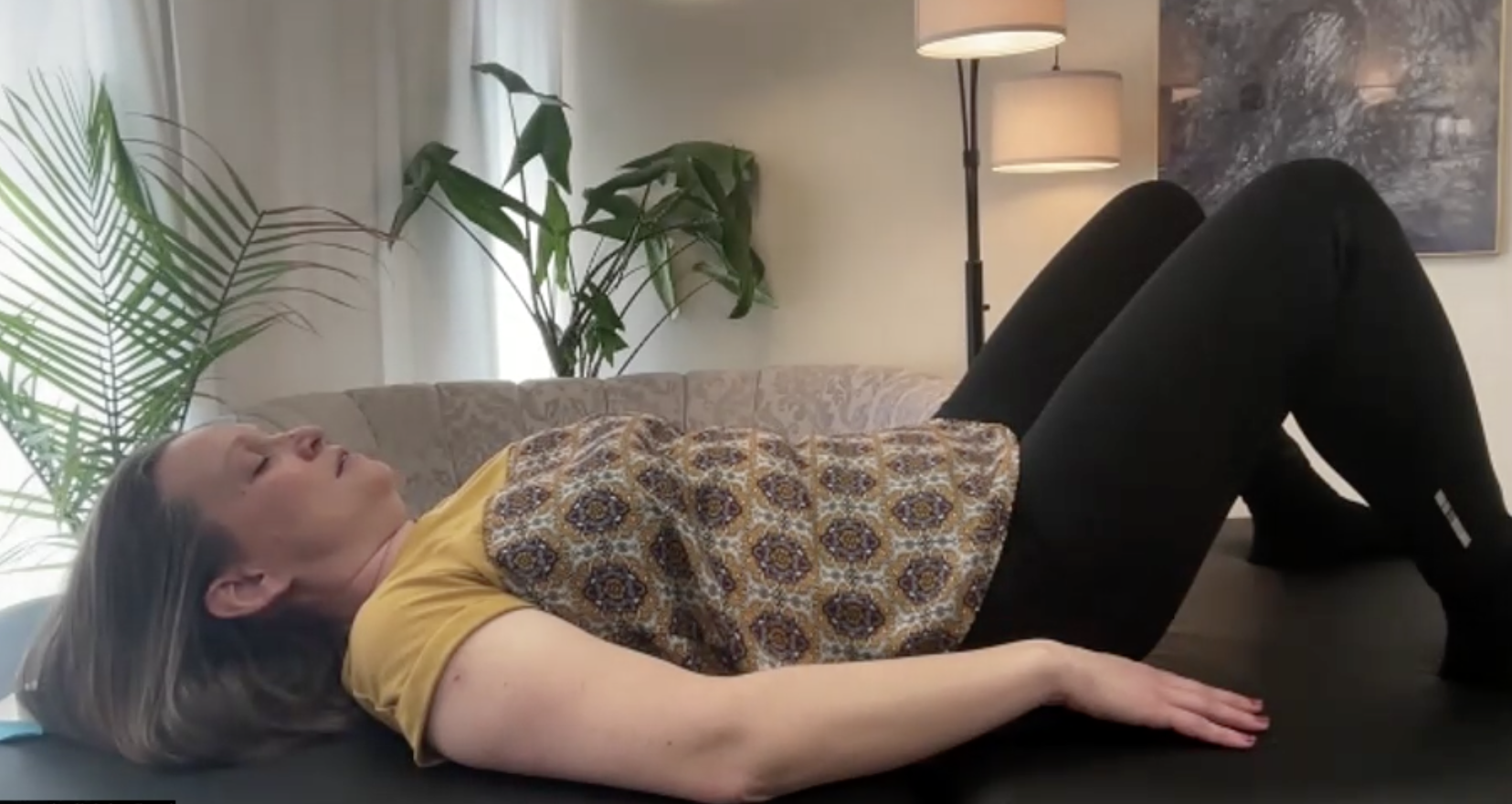
Here’s where Guided Constructive Rest through the Alexander Technique is different. It is a somatic rest practice that allows you to be whole - with an active mind and body presence.
Rather than trying harder to “release” tension or doing rest the right way, we explore how to let go of unnecessary effort. F.M. Alexander noticed that when something matters to us, we tend to overdo—and that effort often becomes the very thing keeping us stuck.
Have you ever told yourself to relax… and felt more tense instead?
In this guided practice, we’re not fixing or forcing anything. We’re allowing your body to rest in new ways—often revealing holding patterns you didn’t even know were there. And as a result, many release tension without trying. Simply allowing the muscles to soften and melt.
During my Alexander Technique training, we regularly paused for check-ins—acknowledging what was showing up in our lives and noticing how we were reacting versus choosing how to respond. Constructive Rest was a cornerstone of that work, and it’s something I now offer in my work with clients. And now that I’m out of the training, the Alexander Technique constructive rest is a form of self check-in. It’s a practice where I get so fully experience my mind and body as one and explore what’s serving me now. And if it’s not, how to simply let the sensation or thought soften.
You might consider joining one of our upcoming Online Guided Constructive Rest if:
Your mind feels busy or scattered
You’re experiencing neck, shoulder, or back discomfort
You’re clenching your jaw or holding your breath
You feel irritable, anxious, or easily overwhelmed
This is an opportunity to rest in an active, radical way—to set down effort, reconnect with your body, and renew your energy for whatever comes next.